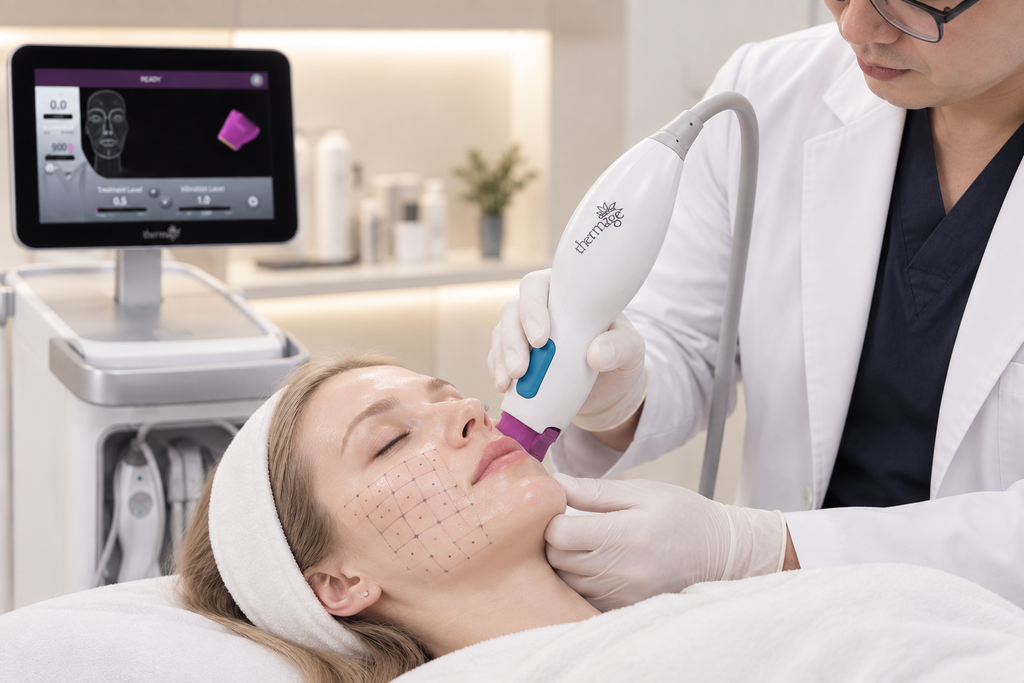
Facial sagging is not always something that begins in your 40s or 50s.
Some people notice deeper smile lines, lower-looking cheeks, or a tired appearance around the eyes while they are still in their 20s or 30s.
But does that mean they need a facelift?
At Signal Plastic Surgery, Midface Lift in Busan is considered according to facial anatomy, cheek position, tissue descent, and individual concerns—not simply age.
A midface lift focuses on repositioning descended tissues in the central face. For appropriately selected patients, this may improve cheek contours, soften certain facial folds, and create a smoother transition between the under-eye area and upper cheeks.
However, younger patients should first understand whether their concern comes from actual tissue sagging, natural facial structure, or volume loss.
- What Is a Midface Lift?
- Why Are Younger Patients Interested in Midface Lifts?
- Midface Sagging vs Volume Loss: What’s the Difference?
- How Is Midface Lift Surgery Performed?
- Midface Lift vs Fillers: Which Is Better for Younger Patients?
- Recovery After a Midface Lift
- Why Choose Signal Plastic Surgery for a Midface Lift in Busan?
- Frequently Asked Questions About Midface Lifts
- Considering a Midface Lift in Busan?
What Is a Midface Lift?
A midface lift is a surgical procedure designed to reposition descended tissues in the central portion of the face.
The midface includes the area beneath the eyes, the upper cheeks, and the region extending toward the nasolabial folds.
Unlike a traditional facelift that may focus more broadly on the lower face, jawline, and neck, a midface lift concentrates on the cheek and under-eye region.
Depending on individual anatomy, the procedure may help:
- Soften nasolabial folds: By repositioning descended cheek tissues that contribute to the folds.
- Improve upper-cheek contour: By lifting existing soft tissue toward a higher position.
- Improve the under-eye-to-cheek transition: In selected patients whose cheek descent contributes to a hollow or tired appearance.
- Create a more balanced midface appearance: By changing the distribution of existing cheek volume.
A midface lift does not physically shorten the facial bones. However, repositioning descended cheek tissue may make the central face appear more compact and defined.

Why Are Younger Patients Interested in Midface Lifts?
Many people associate facelifts with advanced aging, but facial structure and soft-tissue position vary considerably between individuals.
Even younger adults may notice:
- Deep-looking nasolabial folds
- Prominent mid-cheek grooves, sometimes called Indian lines in Korean aesthetic terminology
- Low-positioned cheek fullness
- Under-eye hollowing or shadows
- A flat or tired-looking central face
- Changes in cheek position following weight loss
These concerns do not automatically mean surgery is necessary.
For example, prominent smile lines in your 20s may reflect inherited facial anatomy rather than age-related sagging.
Likewise, a hollow midface caused mainly by insufficient volume may not benefit from lifting alone.
The important question is not how young you are, but what is actually causing the appearance you want to change.
Midface Sagging vs Volume Loss: What’s the Difference?
This is particularly important for patients considering a midface lift in their 20s or 30s.
| Midface Sagging | Midface Volume Loss | |
|---|---|---|
| Main Issue | Existing cheek tissue has descended | Insufficient or reduced facial volume |
| Appearance | Lower-positioned cheeks, heavier folds | Flat or hollow cheeks |
| Primary Goal | Reposition existing tissue | Restore or supplement volume |
| Possible Treatment | Midface lift, when indicated | Filler or fat grafting, when appropriate |
| Key Consideration | Degree and location of tissue descent | Amount and location of volume deficiency |
Some patients experience both sagging and volume loss.
In those cases, lifting alone may not fully correct the hollow areas, while adding volume alone may not address descended tissues.
A consultation helps distinguish these different causes before selecting a procedure.
How Is Midface Lift Surgery Performed?
A midface lift involves accessing and repositioning deeper tissues that support the cheeks.
Depending on the surgical technique and individual anatomy, access may be made through an incision near the lower eyelid or another appropriately selected approach.
The procedure may involve:
1. Surgical Access
The surgeon creates an incision appropriate for the selected technique, potentially along the lower eyelid area.
2. Tissue Release
Selected retaining ligaments and supporting tissues may be released to allow the descended cheek tissues to move upward.
3. Midface Repositioning
The cheek tissues are elevated toward a more appropriate position, with attention to facial proportions and the transition between the lower eyelid and cheek.
4. Tissue Fixation
The repositioned tissues are secured using a technique selected by the surgeon. Depending on the procedure, this may involve sutures or a fixation device such as Endotine.
The exact dissection plane, ligament release, and fixation method depend on the surgical approach.
A midface lift is not simply a skin-tightening procedure. It involves deeper tissue repositioning, which requires careful evaluation of facial anatomy and lower-eyelid support.
Midface Lift vs Fillers: Which Is Better for Younger Patients?
Not every younger patient with deep nasolabial folds or flat-looking cheeks needs surgery.
| Midface Lift | Dermal Fillers | |
|---|---|---|
| Main Purpose | Reposition descended tissue | Add volume to selected areas |
| Best Considered For | Confirmed cheek descent | Selected areas of volume deficiency |
| Procedure | Surgery | Injection |
| Recovery | Surgical recovery required | Usually shorter recovery |
| Limitations | Does not automatically restore missing volume | Does not surgically reposition descended tissues |
For younger patients, the distinction matters.
If your cheeks are naturally flat but have not significantly descended, a midface lift may not address the primary concern.
If your existing cheek tissue has moved downward, simply adding more filler may not produce the desired contour.
Neither option is universally better. The appropriate treatment depends on anatomy, treatment goals, and an assessment of benefits and risks.
Recovery After a Midface Lift
Recovery depends on the surgical approach, degree of tissue repositioning, fixation method, and whether other procedures are performed.
Temporary postoperative changes may include:
- Swelling and bruising around the cheeks and lower eyelids
- Tightness or tenderness
- Temporary numbness or altered sensation
- Asymmetrical swelling during early healing
- Changes in lower-eyelid comfort or position
The appearance immediately after surgery does not represent the final result.
Swelling gradually resolves, and deeper tissues continue settling over time.
Because surgery near the lower eyelid can affect eyelid support and position, potential complications—including lower-eyelid retraction, asymmetry, and changes in sensation—should be discussed before surgery.
International patients should confirm their required postoperative visits and recommended stay in Korea before booking return flights.
Why Choose Signal Plastic Surgery for a Midface Lift in Busan?
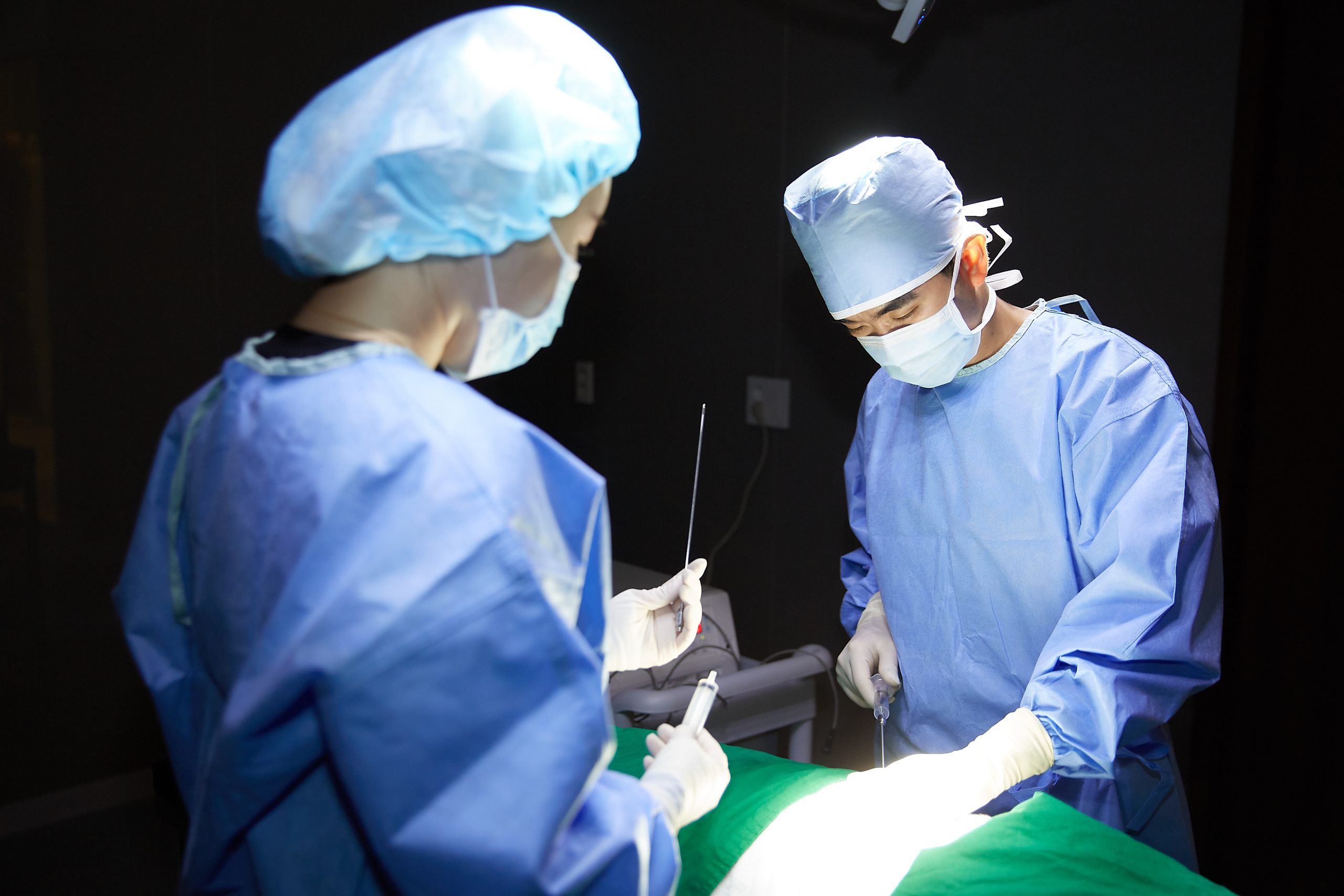
A midface lift requires more than simply pulling the cheeks upward.
The surgeon must understand how the lower eyelid, cheek fat, retaining ligaments, and deeper facial tissues interact.
Signal Plastic Surgery is led by a board-certified plastic surgeon with an M.D. and Ph.D. and experience as a former university hospital professor.
Consultation focuses on identifying:
- Whether actual midface descent is present
- Whether volume loss contributes to the concern
- The position of the upper-cheek tissues
- Nasolabial folds and mid-cheek grooves
- Lower-eyelid support
- Under-eye fat and tear trough anatomy
- Facial symmetry and desired changes
- Whether surgery is appropriate or another treatment should be considered
For younger patients in particular, the goal is not to recommend lifting simply because smile lines or under-eye hollows are visible.
It is to determine whether repositioning existing tissues can meaningfully address the underlying concern.
International patients can also receive pre-visit consultation assistance and medical interpretation support when planning treatment in Busan.
Frequently Asked Questions About Midface Lifts
Am I too young for a midface lift in my 20s or 30s?
There is no single age that automatically determines suitability. However, visible nasolabial folds or flat cheeks do not necessarily indicate tissue sagging. Younger patients should be evaluated carefully to determine whether a surgical lift is justified or whether their concerns have another cause.
Can a midface lift make my face look shorter?
A midface lift does not shorten facial bones. Repositioning descended cheek tissue may create the visual impression of a more compact, balanced central face in selected patients, but this effect is not guaranteed.
Can a midface lift remove nasolabial folds completely?
Not necessarily. It may soften folds associated with cheek descent, but folds related to genetics, facial structure, and normal facial movement may remain.
Is a midface lift better than cheek filler?
They address different problems. A midface lift repositions descended tissue, while cheek filler adds volume. The appropriate choice depends on whether sagging, volume deficiency, or both are responsible for the concern.
Can a midface lift improve under-eye hollows?
It may improve the lower-eyelid-to-cheek transition when cheek descent contributes to the hollow appearance. However, under-eye hollows caused primarily by volume deficiency or other anatomical factors may require a different approach.
Will a midface lift change my eye shape?
Surgery near the lower eyelid can affect its position or appearance. Careful surgical planning aims to preserve appropriate eyelid support, but changes in eyelid position are a potential complication that should be discussed before surgery.
Where are midface lift scars located?
Incision placement depends on the technique. Some approaches use incisions near the lower eyelid, while others use different access points. Scar visibility and healing vary according to the selected procedure and individual recovery.
How long does swelling last after a midface lift?
Swelling and bruising are expected during early recovery, and some residual swelling may persist for weeks or longer. Recovery varies depending on the technique and whether additional procedures are performed.
How long do midface lift results last?
Results may be long-lasting, but they are not permanent. Natural aging, tissue changes, weight fluctuations, and individual anatomy continue to affect facial appearance over time.
How much does a Midface Lift in Busan cost?
The cost depends on the surgical approach, complexity, fixation method, and whether additional procedures are required. Signal Plastic Surgery can provide an individualized quotation after evaluating your facial anatomy and treatment goals.
Considering a Midface Lift in Busan?
If you are researching Midface Lift in Korea because your cheeks look lower, your nasolabial folds seem deeper, or your under-eye area appears hollow, the first step is understanding what is causing those changes.
Younger patients do not automatically need surgery—and being young does not automatically rule it out.
The most important distinction is whether your concern comes from tissue descent, volume loss, natural facial anatomy, or a combination.
At Signal Plastic Surgery, consultation focuses on identifying the underlying concern and discussing whether a midface lift is an appropriate option.
For international patients considering Midface Lift in Busan, pre-visit consultation can help clarify possible treatment options before traveling to Korea.