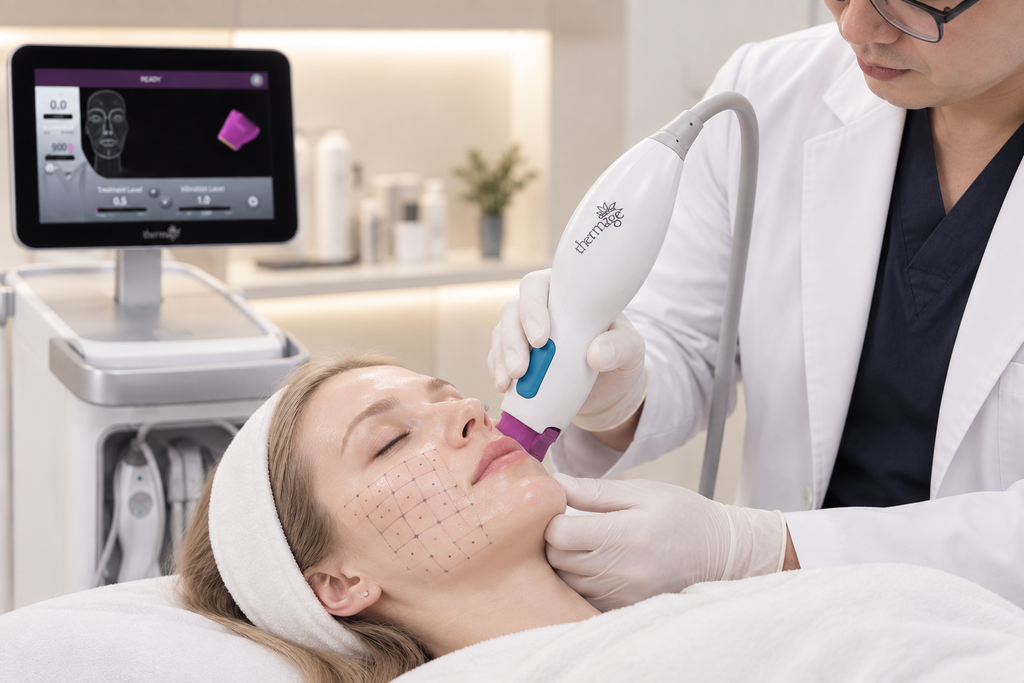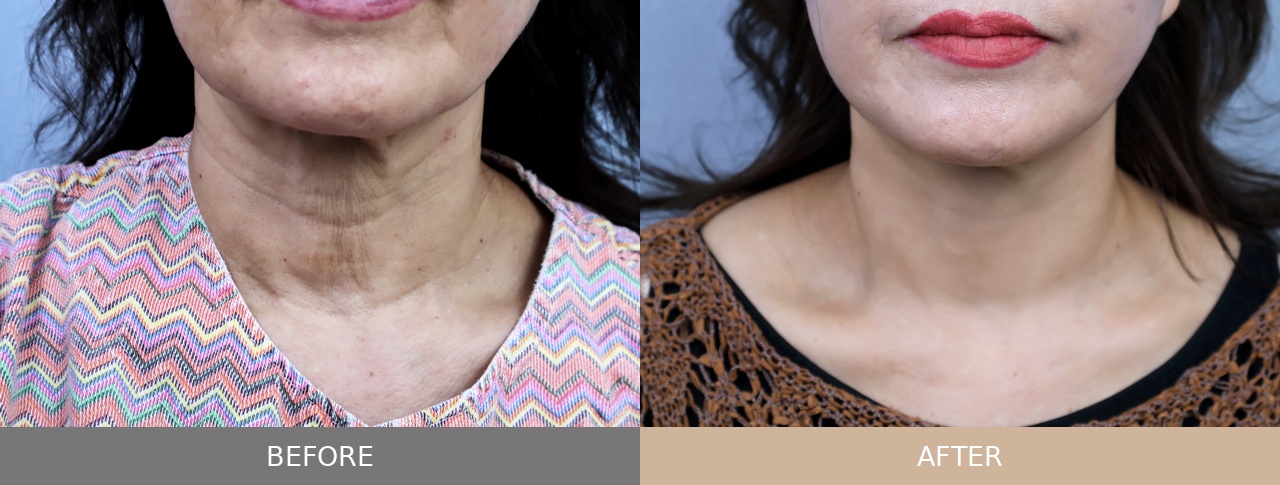
Are you noticing sagging cheeks, deeper smile lines, or a jawline that no longer looks as defined as it used to?
As we age, changes occur not only in the skin but also in the deeper tissues that support the face. This is why skincare products and non-surgical lifting treatments may not provide the degree of correction some patients are looking for.
For individuals experiencing more noticeable facial sagging, a Full Facelift in Busan may be an option worth discussing with a board-certified plastic surgeon.
At Signal Plastic Surgery, SMAS-based facelift surgery focuses on repositioning deeper facial tissues rather than simply pulling the skin tighter. Depending on the patient’s concerns, facial lifting may also be combined with neck lifting to address loose skin and contour changes below the jawline.
This guide explains how full facelift surgery works, which areas it can address, incision locations, costs, recovery, and what international patients should know before planning surgery in Korea.
- What Is a Full Facelift?
- Full Facelift in Busan: Surgery Information
- How Much Does a Full Facelift Cost in Busan?
- How Does SMAS Facelift Surgery Work?
- What Areas Can a Full Facelift Improve?
- Full Facelift vs Neck Lift: Which Areas Need Correction?
- Full Facelift Before & After: What Results Can You Expect?
- Planning Full Facelift Surgery in Korea: How Long Should You Stay?
- Why Choose Signal Plastic Surgery for a Full Facelift in Busan?
- Frequently Asked Questions About Full Facelift Surgery
- Considering a Full Facelift in Busan? Consult Signal Plastic Surgery
What Is a Full Facelift?
A full facelift, medically known as rhytidectomy, is a surgical procedure designed to improve visible signs of aging by repositioning sagging facial tissues and addressing excess skin.
Aging affects several layers of the face, including the skin, fat compartments, supporting ligaments, and deeper connective tissues.
As these structures change, patients may notice:
- Sagging cheeks and lower-face tissues
- Jowls along the jawline
- Deeper nasolabial folds, commonly called smile lines
- Loss of definition between the face and neck
- Loose skin around the lower face
Unlike treatments that primarily target the skin’s surface, facelift surgery can address selected deeper structures contributing to facial sagging.
The goal is to restore a more balanced facial contour without unnecessarily changing the patient’s natural features.
However, a facelift does not stop aging, and the degree of improvement depends on individual anatomy and the surgical technique.

Full Facelift in Busan: Surgery Information
The following information summarizes the SMAS facelift program at Signal Plastic Surgery.
| Surgery Information | Details |
|---|---|
| Procedure | SMAS Full Facelift |
| Main Concerns | Sagging cheeks, nasolabial folds, jowls, and lower-face laxity |
| Surgery Duration | Approximately 2 hours |
| Anesthesia | Local anesthesia or sedation |
| Hospital Admission | Generally not required |
| Stitch Removal | Approximately 7 days after surgery |
| Follow-Up Visits | Approximately 2–3 visits |
| Combined Surgery | Facelift + Neck Lift, when appropriate |
| Location | Signal Plastic Surgery, Busan, South Korea |
The stated surgery duration is an estimate for the facelift procedure. A combined facelift and neck lift may require additional time.
Anesthesia, discharge arrangements, and follow-up schedules depend on the patient’s health and final surgical plan.
Although overnight admission is generally not required, patients must still arrange appropriate postoperative supervision and transportation.
How Much Does a Full Facelift Cost in Busan?
The cost of facelift surgery depends on the extent of tissue correction, whether neck lifting is included, and the individual surgical plan.
At Signal Plastic Surgery, the approximate prices are:
| Procedure | Approximate Cost |
|---|---|
| Full Facelift | Around KRW 8,000,000 |
| Full Facelift + Neck Lift | Around KRW 11,000,000 |
These are approximate price references rather than guaranteed fixed quotations.
The final price should be confirmed after consultation, including whether anesthesia, medication, postoperative care, and other services are included.
Patients comparing facelift prices in Korea should also consider surgeon qualifications, the proposed technique, aftercare, and the arrangements available if complications occur.
How Does SMAS Facelift Surgery Work?
One of the key concepts in modern facelift surgery is the SMAS, or Superficial Musculoaponeurotic System.
The SMAS is a fibromuscular tissue layer beneath the skin that contributes to facial support and movement.
When facial tissues descend with age, tightening the skin alone may not adequately address the underlying cause of sagging.
At Signal Plastic Surgery, the SMAS facelift approach focuses on careful tissue dissection and repositioning of the deeper supporting structures, including the SMAS and relevant retaining ligaments.
The surgical approach may involve:
1. Releasing and mobilizing selected tissues
- The surgeon carefully dissects the appropriate tissue planes and releases supporting structures where necessary to allow repositioning.
2. Repositioning the SMAS layer
- Deeper facial tissues are lifted and secured according to the patient’s anatomy and the planned direction of correction.
3. Adjusting excess skin
- After the deeper tissues have been repositioned, excess skin may be conservatively removed to achieve a smoother contour.
4. Closing the incisions
- Incisions are closed with attention to tissue tension, hairline position, and scar placement.
This approach aims to address facial sagging at more than one tissue level rather than relying on skin tension alone.
The specific depth of dissection, ligament release, and fixation method should be discussed during the surgical consultation.
What Areas Can a Full Facelift Improve?
Patients considering a Full Facelift in Korea often have more than one area of concern.
The table below explains which concerns may be addressed through facelift surgery.
| Treatment Area | Common Concerns | Potential Improvements |
|---|---|---|
| Cheeks | Sagging cheeks and descended facial tissues | Repositions selected sagging tissues to improve mid-to-lower facial contours |
| Nasolabial Folds | Deep smile lines extending from the nose toward the mouth | May soften folds associated with tissue descent, although complete removal is not guaranteed |
| Jowls | Loose tissue along the lower cheeks and jawline | May reduce the appearance of jowls and improve lower-face definition |
| Jawline | Loss of a defined facial contour | May create a smoother transition between the cheeks, jawline, and upper neck |
| Lower Face | Excess skin and deeper tissue laxity | Addresses sagging through deeper tissue repositioning and skin adjustment |
Important: A facelift primarily addresses tissue descent and laxity. It does not directly correct every concern related to facial volume loss, skin pigmentation, fine surface wrinkles, or bone structure.
The degree of improvement depends on the patient’s anatomy, skin condition, and surgical plan.
Full Facelift vs Neck Lift: Which Areas Need Correction?
Not every patient has the same pattern of aging.
Some are primarily concerned about their cheeks and jawline, while others notice loose neck skin, neck bands, or fullness beneath the chin.
At Signal Plastic Surgery, the incision approach and surgical plan depend on the area requiring correction.
| Main Concern | Surgical Approach at Signal Plastic Surgery |
|---|---|
| Sagging cheeks, nasolabial folds, and jowls | Facial facelift with an incision planned along the anterior hairline region |
| Loose neck skin, neck wrinkles, and sagging beneath the jawline | Neck lifting with an incision planned toward the posterior hairline region |
| Both facial and neck sagging | Combined facelift and neck lift may be considered |
Actual incisions may extend around the ear and vary according to the patient’s anatomy and the surgeon’s technique.
Can a Full Facelift and Neck Lift Be Performed Together?
Yes. At Signal Plastic Surgery, a facelift and neck lift may be performed during the same surgical session when appropriate.
This may be considered when patients have both lower-face sagging and visible neck laxity.
Addressing the face and neck together can help the surgeon plan a more continuous contour from the cheeks through the jawline and neck.
However, combining procedures may change the surgical duration, recovery requirements, and individual risks.
The surgeon will determine whether a combined operation is appropriate following a medical assessment.
Full Facelift Before & After: What Results Can You Expect?
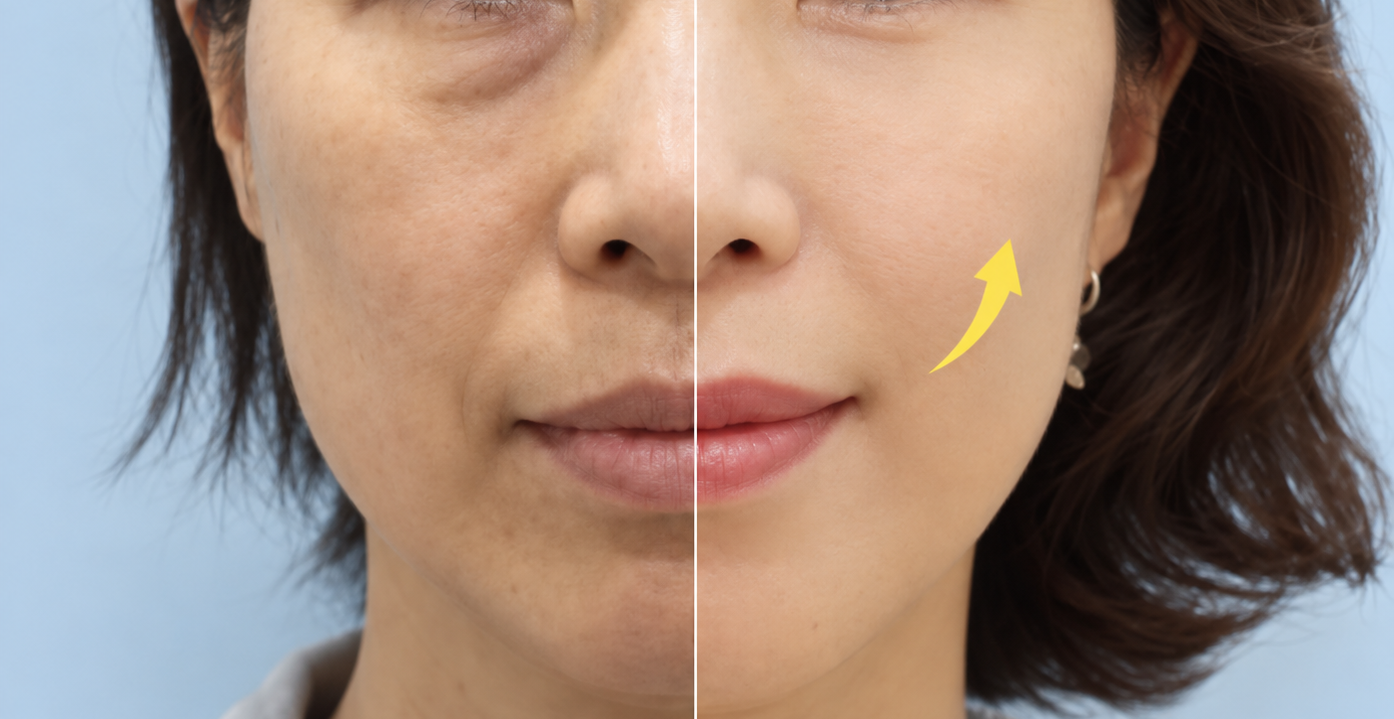
Before and after photographs can help patients understand the types of changes that may be achieved with SMAS facelift surgery.
When reviewing results, look at:
- The position and contour of the cheeks
- The appearance of the nasolabial folds
- Jowls along the lower face
- Jawline definition from the front and side
- The transition between the jawline and neck
- Overall facial balance and natural expression
The most useful comparisons use similar lighting, camera angles, facial expressions, and head positions.
Results should not be judged solely from early postoperative photographs, as swelling and tissue settling can temporarily affect facial appearance.
A well-planned facelift aims to improve sagging while preserving recognizable facial characteristics.
However, no surgeon can guarantee a particular result, and outcomes vary from patient to patient.
Planning Full Facelift Surgery in Korea: How Long Should You Stay?
International patients should plan their trip around postoperative appointments rather than the operation date alone.
At Signal Plastic Surgery, the typical schedule includes:
- Surgery and initial postoperative observation
- Stitch removal around postoperative day seven
- Approximately two to three follow-up visits, depending on the surgical plan
For planning purposes, an international patient may wish to allow at least 10–14 days in Busan, subject to the surgeon’s approval and the actual follow-up schedule.
This is a general travel-planning suggestion, not a confirmed clinic requirement or a guarantee of fitness to fly.
What About Swelling, Scars, and Recovery?
Swelling, bruising, tightness, and temporary numbness are common after facelift surgery. While visible swelling and bruising often improve over the first two to four weeks, residual swelling and tissue firmness may take several months to settle.
Facelift incisions are generally placed around the ears and adjacent hairline areas to make scars less noticeable. However, scars are permanent, and healing varies between individuals.
As with any surgical procedure, complications such as bleeding, infection, delayed wound healing, and nerve injury are possible. Patients should discuss these risks and their recovery expectations with their surgeon before surgery.
Patients undergoing combined face and neck lifting, or those who experience complications, may need a longer stay.
Before booking flights, confirm the required follow-up dates, postoperative support arrangements, and when air travel may be medically appropriate.
Why Choose Signal Plastic Surgery for a Full Facelift in Busan?
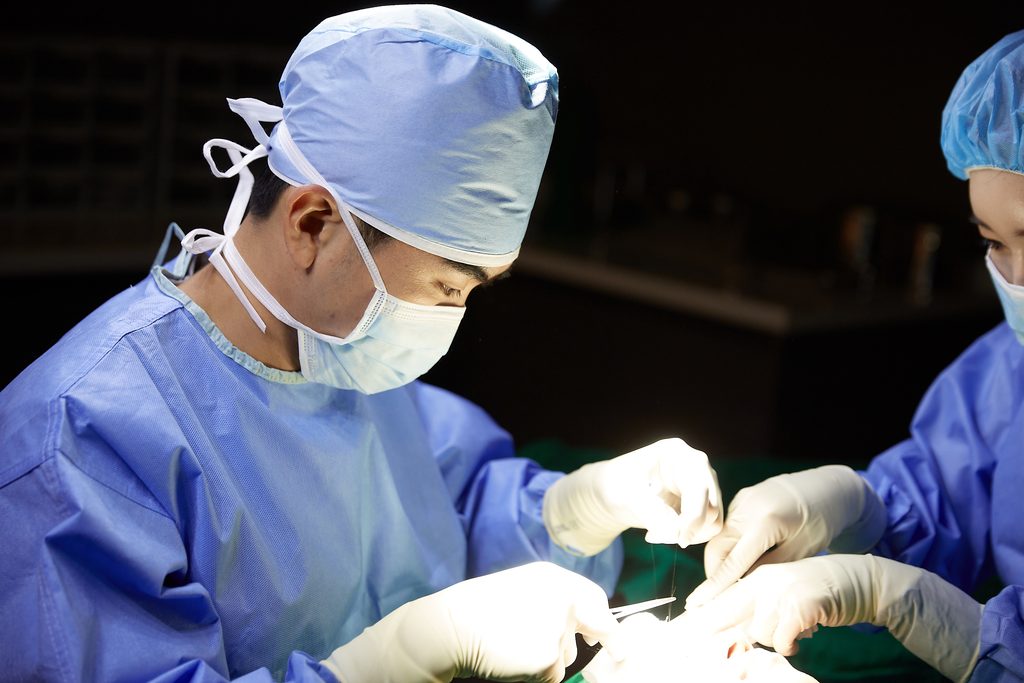
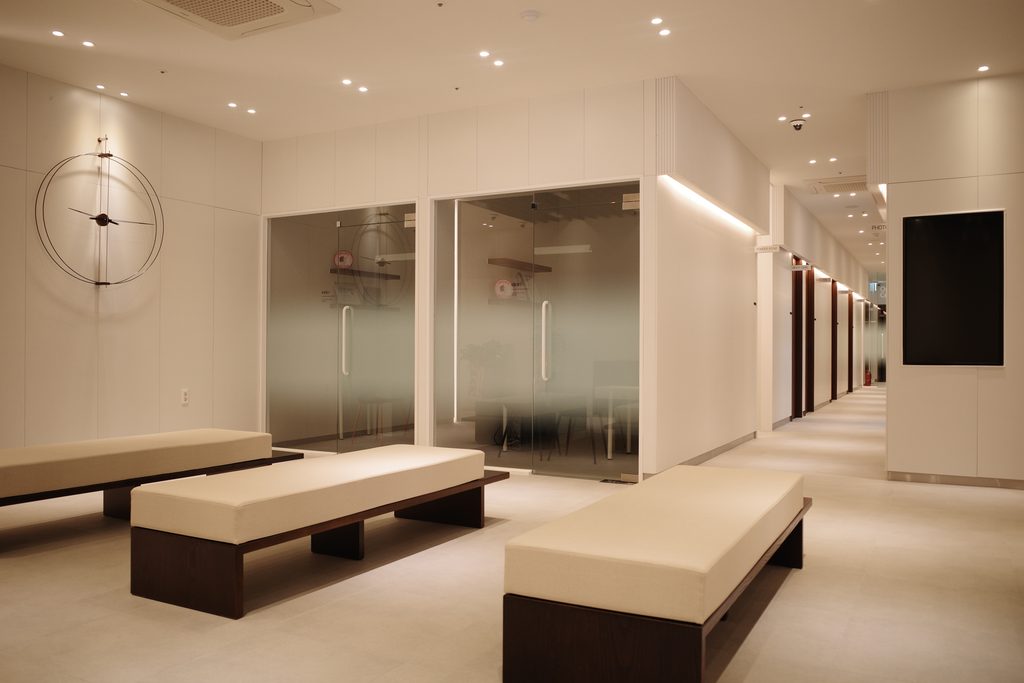
A successful facelift plan begins with understanding the anatomical causes of facial sagging.
Signal Plastic Surgery is led by Dr. Kyung Wook Nam, a board-certified plastic surgeon with an M.D. and Ph.D. and experience as a former university hospital professor.
The clinic’s approach to SMAS facelift surgery emphasizes careful tissue dissection, deeper tissue repositioning, and individualized surgical planning.
During consultation, the surgeon can assess:
- The degree and location of facial sagging
- SMAS and soft-tissue laxity
- Cheek and jowl position
- Jawline definition
- Neck skin and tissue laxity
- Whether facial lifting alone is sufficient
- Whether combined face and neck lifting may be appropriate
- Expected recovery and potential complications
For international patients, appointment coordination and medical interpretation assistance can help make the consultation and postoperative instructions easier to understand.
The objective is not simply to pull the skin tighter, but to develop a surgical plan appropriate for the patient’s anatomy, concerns, and expectations.
Frequently Asked Questions About Full Facelift Surgery
1. What is the difference between a full facelift and a mini facelift?
A full facelift generally addresses a broader area of facial laxity and may involve more extensive tissue repositioning. A mini facelift typically targets more limited concerns using a less extensive approach. The actual difference depends on the surgeon’s technique, so the names alone do not determine the surgical scope.
2. Will a full facelift make my face look unnatural or overly tight?
A facelift is intended to improve sagging while maintaining facial balance, but natural-looking results cannot be guaranteed. Surgical technique, tissue repositioning, skin tension, and individual healing all influence the final appearance.
3. Can a full facelift get rid of jowls and sagging around my jawline?
A facelift may significantly improve jowls and lower-face sagging by repositioning descended tissues. However, the degree of improvement depends on the patient’s anatomy, and complete correction cannot be guaranteed.
4. Does a full facelift also fix a sagging neck?
Not necessarily. A facelift and neck lift can address overlapping concerns, but some patients require additional neck-specific correction. Signal Plastic Surgery can assess whether facial lifting alone or combined face and neck lifting is more appropriate.
5. How painful is recovery after a SMAS facelift?
Discomfort, tightness, tenderness, and swelling are common after surgery. Pain levels vary, and the surgical team should provide individualized pain-management instructions. Severe or worsening pain requires prompt medical assessment.
6. How long does it take to look normal after a full facelift?
Bruising and swelling often improve over the first two to four weeks, but residual swelling, numbness, and tissue firmness may continue for months. Patients should allow additional recovery time before important social events or photographs.
7. Where are full facelift scars located?
Incisions are commonly placed around the ears and along adjacent hairline areas. The exact location depends on the technique and whether neck lifting is included. Scars are permanent, although they often become less noticeable as they mature.
8. How long do SMAS facelift results last?
Results can remain noticeable for many years, but the face continues to age. Longevity varies according to anatomy, skin quality, lifestyle, weight changes, and the surgical approach.
9. How much does a full facelift cost in Busan?
At Signal Plastic Surgery, a full facelift is priced at approximately KRW 8 million, while a combined facelift and neck lift is approximately KRW 11 million. Final pricing depends on the individual surgical plan and should be confirmed before booking.
10. How long should I stay in Korea after a full facelift?
Signal Plastic Surgery generally schedules stitch removal around seven days after surgery and approximately two to three follow-up visits. International patients may consider allowing at least 10–14 days in Busan, but the surgeon must confirm the required stay and whether the patient is fit to travel.
Considering a Full Facelift in Busan? Consult Signal Plastic Surgery
Sagging cheeks, jowls, and a less-defined jawline do not always have the same underlying cause.
For some patients, repositioning deeper facial tissues through SMAS facelift surgery may be appropriate. Others may benefit from a different surgical approach or a combined facelift and neck lift.
At Signal Plastic Surgery, the first step is an individualized assessment of facial anatomy, skin laxity, tissue descent, and personal goals.
International patients considering a Full Facelift in Busan can request a preliminary consultation to discuss:
- Their main concerns about facial or neck sagging
- Whether facelift surgery may be suitable
- Possible incision locations and surgical scope
- Expected costs and recovery
- Recommended travel dates and follow-up requirements
To begin, share your age, main concerns, preferred travel dates, and clear photographs from the front and both sides.
Contact Signal Plastic Surgery to explore your facelift surgery options in Busan, South Korea.